Introduction: What is Authentic Travel?
In today’s world of mass tourism, the idea of authentic travel is becoming increasingly valuable. But what exactly is “travels authentic,” and why is it important? authentic travels involves engaging with destinations in ways that preserve local cultures, respect environments, and offer more genuine experiences compared to traditional sightseeing tours. Rather than visiting over-commercialized hotspots, authentic travel encourages tourists to step off the beaten path and immerse themselves in the true essence of a destination. Whether it’s exploring rural villages, tasting local cuisine, or connecting with local artisans, authentic travel goes beyond the surface to create meaningful memories and deeper connections.
1. The Rise of Authentic Travel in a Globalized World
As the world becomes more interconnected through technology, the allure of authentic travels has grown. More travelers today are seeking experiences that go beyond the typical tourist attractions. In a world saturated with Instagram-worthy images of exotic locations, the desire for authenticity has led to a shift in travel preferences. Tourists no longer simply want to visit landmarks; they want to engage with cultures, learn about history from locals, and experience destinations in a way that is true to their traditions. This shift represents a growing trend toward sustainable tourism and a demand for more meaningful travel.
travels authentic is now seen as a way to escape the consumerism of mass tourism and reconnect with the roots of travel—discovery, exploration, and cultural exchange. People are increasingly aware of the impact of tourism on the environment and local communities, and they are seeking ways to travel responsibly. Through authentic travel, they can experience a destination’s culture and lifestyle while supporting local businesses and minimizing their carbon footprint.
2. The Benefits of Authentic Travel: Why It’s Worth the Effort
The benefits of travels authentic are many and diverse, providing not just deeper cultural insights but also long-lasting memories. For one, it allows you to build genuine connections with the people of a destination. When you venture beyond the typical tourist attractions and interact with locals, you gain a richer understanding of their way of life. This type of travel fosters meaningful exchanges, where both tourists and locals share stories, traditions, and experiences.
Moreover, travels authentic often supports local economies in a more sustainable way. Instead of spending money on large international hotel chains or commercialized excursions, you’re more likely to contribute to small family-run businesses, locally-owned shops, and grassroots initiatives. This ensures that the benefits of tourism are more evenly distributed and directly impact those communities who need it most.
Another benefit of authentic travel is the opportunity for personal growth. Exploring new cultures, stepping out of your comfort zone, and learning from different perspectives can deeply impact your worldview and broaden your understanding of others. In essence, travels authentic helps to foster empathy, cultural appreciation, and mutual respect.
3. How to Plan for an Authentic Travel Experience
Planning for authentic travel requires a different mindset than traditional tourism. Instead of relying solely on guidebooks or travel agencies, it’s important to do some research into the destination’s history, customs, and local culture. A few key steps can help ensure that your journey is as authentic as possible:
- Choose Off-the-Beaten-Path Destinations: Rather than heading to the most popular tourist spots, consider exploring lesser-known destinations. These often provide more authentic experiences and give you the chance to discover hidden gems.
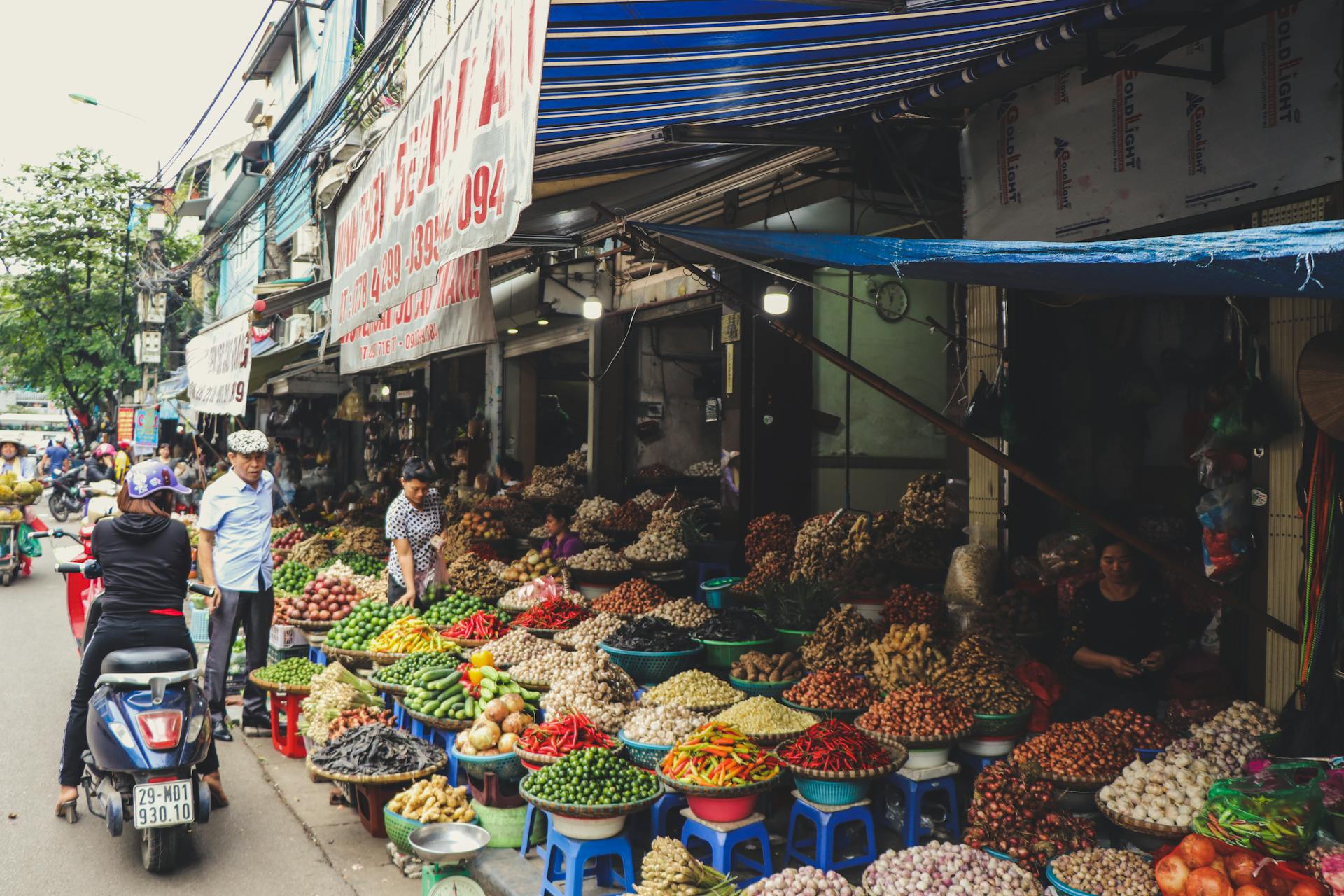
- Support Local Businesses: Whenever possible, stay in locally-owned accommodations, eat at family-run restaurants, and shop at local markets. This not only supports the community but also gives you an authentic taste of local life.
- Engage with Locals: One of the hallmarks of travels authentic is interacting with the local population. Whether it’s through a guided tour by a local expert, attending a community event, or simply striking up a conversation at a café, making connections with locals enriches your experience.
- Embrace Slow Travel: Instead of rushing from one attraction to the next, take your time to explore the destination at a slower pace. This will allow you to appreciate the subtleties of the culture and environment that are often overlooked in a whirlwind itinerary.
By following these steps, you can plan a trip that feels more connected and personal rather than just a quick checklist of popular attractions.
4. Authentic Travel and Sustainable Tourism
One of the most significant benefits of authentic travel is its emphasis on sustainability. Sustainable tourism focuses on minimizing the negative impact of travel on the environment, local communities, and cultures. travels authentic naturally aligns with these principles because it encourages responsible behavior and prioritizes environmental and cultural preservation.
Instead of contributing to overtourism—where mass tourism crowds a destination and damages its natural resources—authentic travel encourages eco-friendly practices. For example, staying in eco-lodges, using public transport or cycling, and supporting businesses that implement sustainable practices all contribute to a greener, more responsible travel experience.
Moreover, travels authentic helps preserve local traditions and ways of life. When tourists participate in experiences that highlight local culture, such as learning traditional crafts or farming techniques, it not only supports the continuation of these practices but also helps protect them from being lost to modernization and commercialization.
5. Examples of Authentic Travel Experiences Around the World
Authentic travel is about finding unique, meaningful experiences in different parts of the world. These experiences can take many forms, from cultural exchanges to environmental stewardship. Here are some examples of travels authentic experiences that can deepen your connection to the places you visit:
- Exploring Rural Villages in Italy: Instead of sticking to the well-known cities like Rome or Florence, consider spending time in small Italian villages where you can experience traditional farming practices, local food, and the warmth of family-owned accommodations.
- Trekking in Nepal: For those who love adventure, trekking in Nepal provides an authentic experience of the country’s natural beauty and its diverse cultures. Staying in local teahouses and learning about Sherpa culture offers a deeper understanding of the region beyond just the trekking trails.
- Staying in Indigenous Communities in the Amazon: Travelers looking to experience true connection with nature can visit indigenous tribes in the Amazon rainforest. Staying with local communities allows for an intimate understanding of their customs, values, and sustainable living practices.
- Learning to Cook Local Cuisine in Thailand: Authentic travel also involves the sensory experience of local food. In Thailand, taking a cooking class with local chefs not only teaches you how to make traditional dishes but also connects you with the culture and history behind the food.
These are just a few examples of how travels authenticcan lead to transformative experiences that go beyond sightseeing.
6. Overcoming Challenges in Authentic Travel
While authentic travel offers numerous benefits, it also presents some challenges. For instance, it often requires more time, research, and effort than traditional tourism. It may not always be as convenient, especially if you are venturing into remote or lesser-developed areas where amenities and infrastructure can be limited.
Additionally, language barriers can sometimes make communication difficult, especially when you’re interacting with locals in rural areas where English might not be widely spoken. However, embracing these challenges can enrich your experience, pushing you to step out of your comfort zone and learn new skills, such as using basic phrases in a foreign language or adapting to local customs.
Another challenge is the risk of unintentional cultural appropriation. When participating in authentic travel experiences, it’s essential to approach the local culture with respect and sensitivity, ensuring that you are not exploiting or commodifying traditions for personal gain. Always be mindful of your impact on the people and places you visit.
7. The Future of Authentic Travel
Looking ahead, the future of authentic travel is bright. As more people seek experiences that connect them with the local culture and environment, the demand for responsible, sustainable tourism will continue to grow. The rise of technology, including virtual tours and travel apps, will make it easier for travelers to find off-the-beaten-path destinations and authentic experiences.
However, as this trend grows, it’s essential for both travelers and tourism providers to maintain the integrity of travels authentic. The key will be ensuring that local communities benefit from tourism in ways that respect their culture and environment while fostering meaningful cultural exchanges. The future of travel is about balancing exploration with respect, discovery with responsibility, and enjoyment with sustainability.
Conclusion: Embrace the True Spirit of Travel
Authentic travel is about more than just visiting new places—it’s about forging deeper connections, experiencing cultures in their truest form, and contributing positively to the communities you visit. By embracing travels authentic, you not only enrich your own life but also help promote sustainable and responsible tourism practices that benefit the world as a whole. Whether you’re exploring a remote village, tasting local dishes, or learning about ancient traditions, authentic travel allows you to discover the true essence of a destination in ways that are both meaningful and memorable.
FAQs
What is the difference between traditional and authentic travel?
Traditional travel often focuses on visiting popular tourist destinations, while authentic travel emphasizes immersing yourself in local cultures and environments, away from commercialized tourist spots.
How can I make my travel more authentic?
To make your travel more authentic, engage with local cultures, stay in family-owned accommodations, support local businesses, and seek out off-the-beaten-path destinations.
Is authentic travel more expensive?
Authentic travel can sometimes be more affordable because it often focuses on smaller, local experiences rather than expensive tourist attractions. However, it can vary depending on the destination.
How does authentic travel benefit local communities?
Authentic travel supports local communities by encouraging tourists to spend money on locally owned businesses, preserving traditional customs, and fostering cultural exchange.
Can authentic travel be done sustainably?
Yes, authentic travel often aligns with sustainable tourism practices, such as minimizing environmental impact, supporting local economies, and preserving cultural heritage.